PRODUCTS
Flow cup viscometers
Flow cup viscometers for rapid viscosity control
Flow cup viscometers provide a fast and practical method for evaluating the viscosity of liquids by measuring the time required for a defined volume of fluid to flow through a calibrated orifice.
Widely used for quality control and production monitoring, flow cup viscometers offer a simple solution for comparing product consistency in industries such as paints, coatings, inks, varnishes and chemicals.
Fungilab supplies professional viscosity measurement solutions that complement flow cup testing whenever greater measurement accuracy, repeatability or advanced rheological analysis is required.
Our products
Kinematic Viscometer Types
Flow Cup
STANDARDS: ISO 2431, ASTM D-1200
Flow cup viscometers provide kinematic viscosity data. The measured kinematic viscosity is generally expressed in seconds (s) flow time when the fluid is flowing through an orifice at a specified temperature. Thanks to the conversion equations the viscosity is calculated from the flow time to centistokes (cSt). The calibration certificates are supplied with the cups.
According to the standards, there are several viscosity ranges available from 5 cSt.
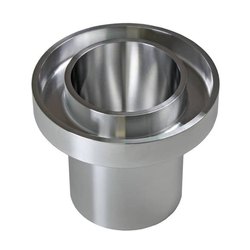
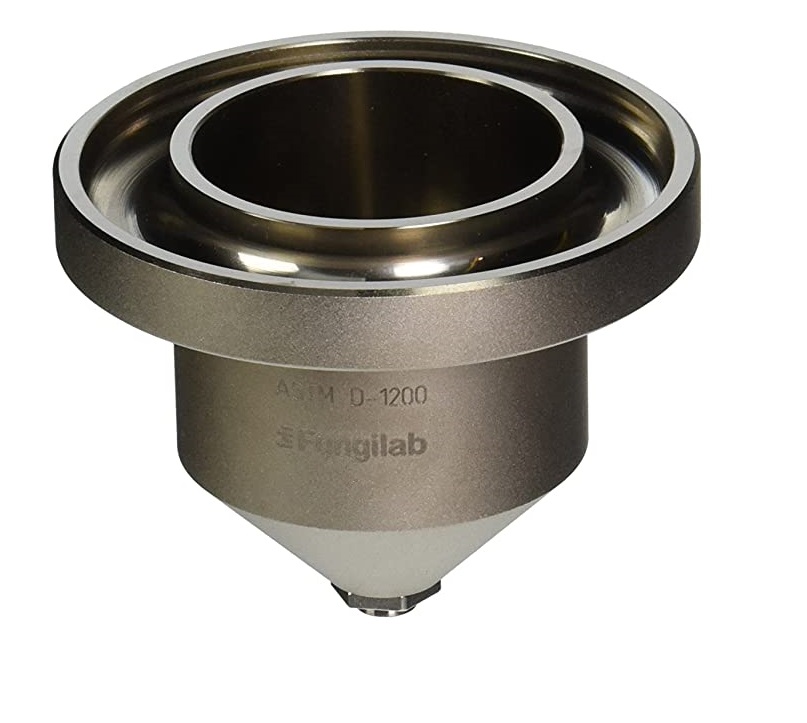
Flow cups made of anodized aluminum body with a stainless steel orifice.
Ensuring the accuracy of the test results, FUNGILAB recommends a periodic calibration check. You can check the viscosity results using the standard oils specially manufactured for these kind of viscometers (available under request), or sending the instrument to our calibration laboratories.
Industries like paint, ink, varnishes and similar products use these very easy to use flow cups to quickly calculate the viscosity.
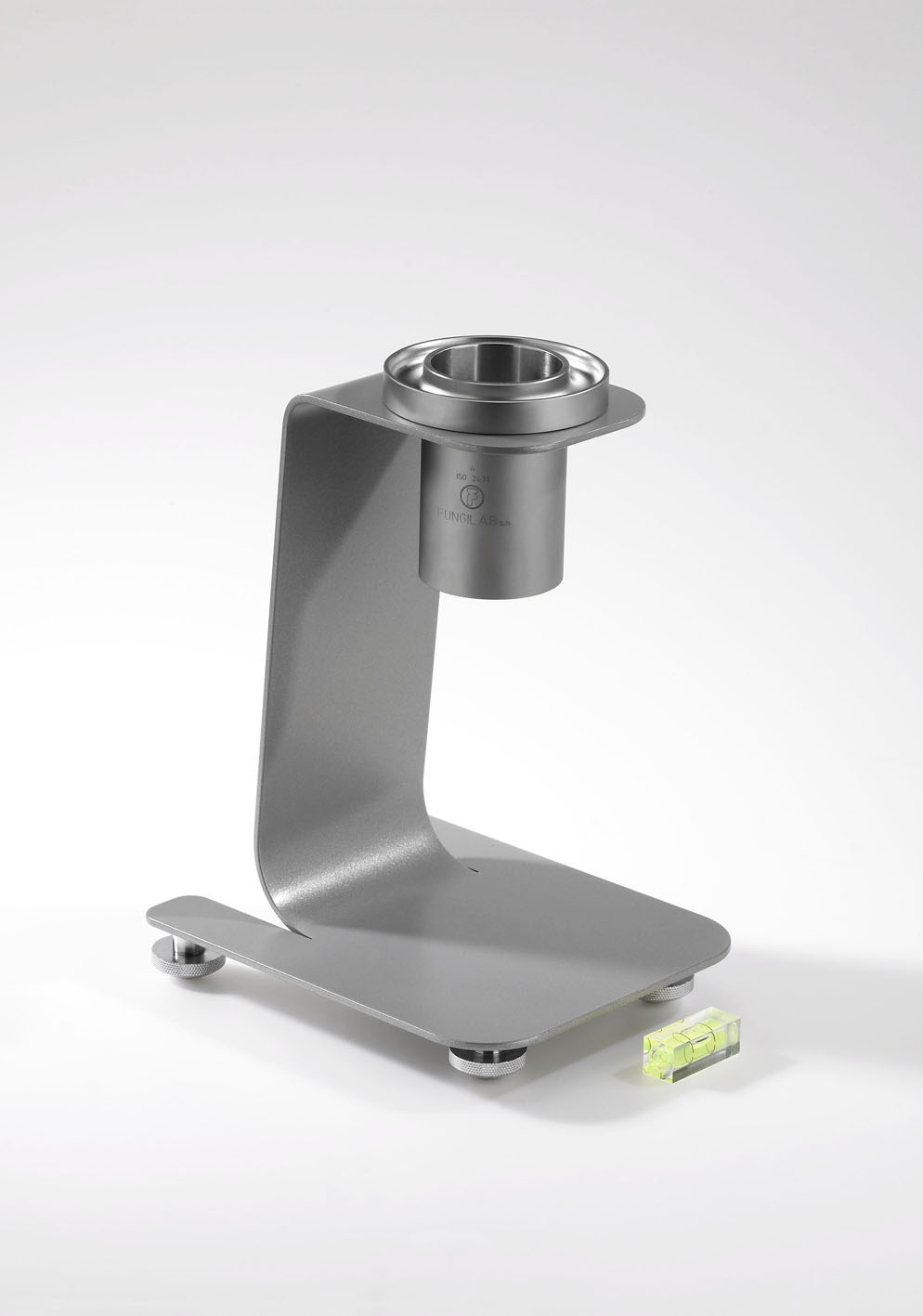
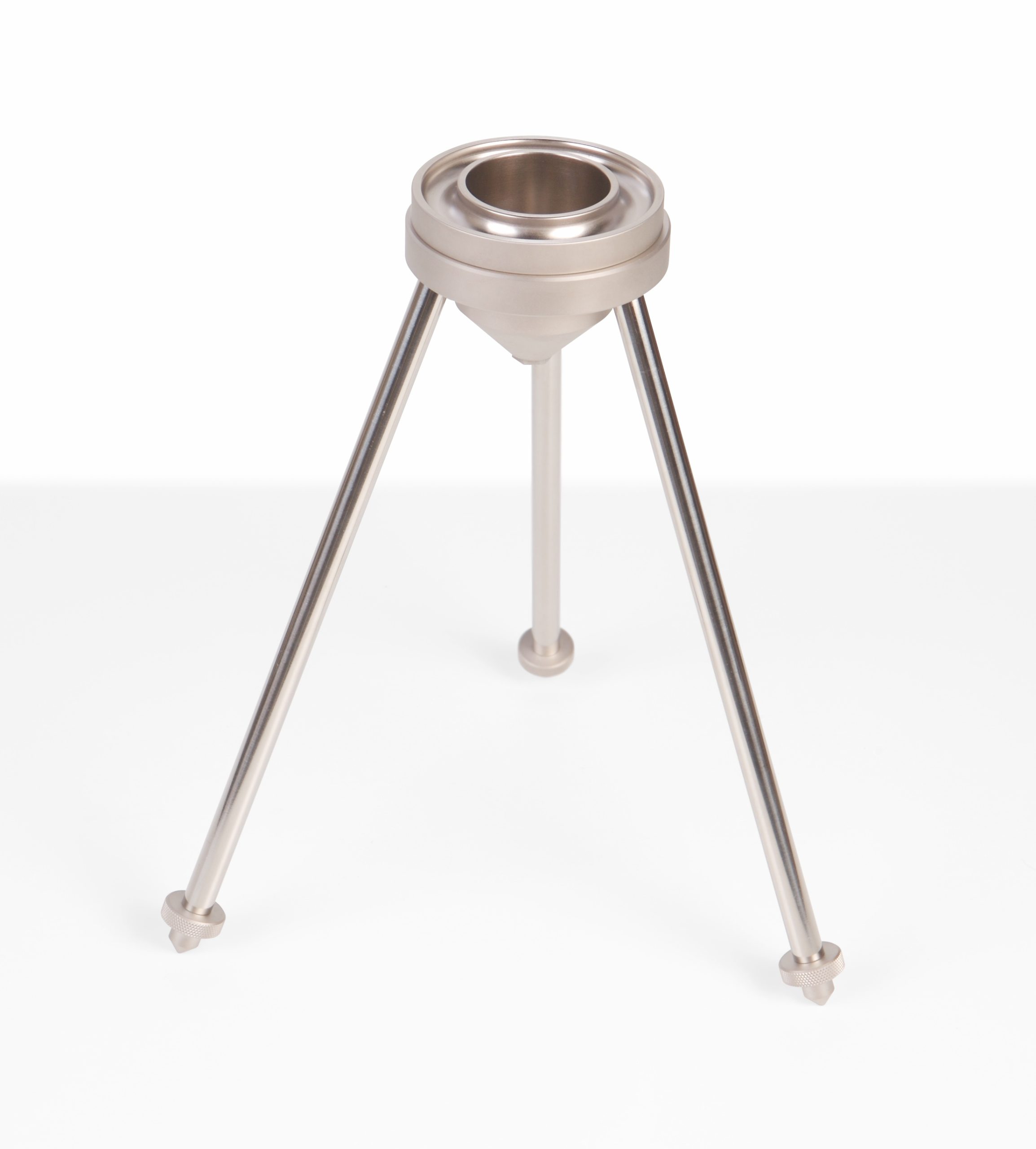
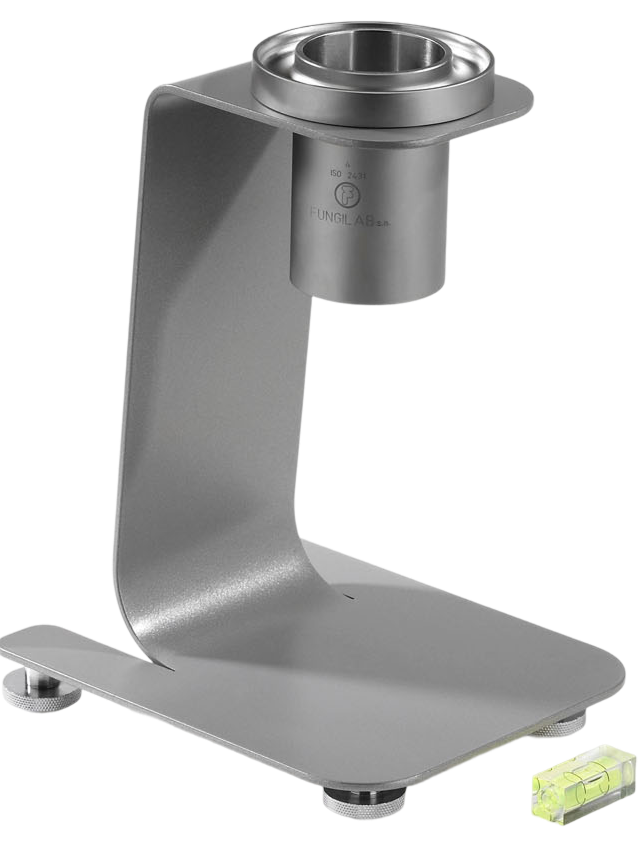
The cups can be supplied separately or with an adjustable stand that includes a precision level and an overflow glass draw plate.
The cups without handles can be supplied separately or with an adjustable stand that includes a precision level and an overflow glass draw plate.
- ISO 2431 Flow Cup
- ASTM D-1200 Flow Cup
Add in each model default option as the CALVISC software included which allows the client to calculate the viscosity of the sample just fulfilling the parameters in the software.
ISO 2431 FLOW CUP VISCOMETERS
ASTM D-1200 FLOW CUP VISCOMETERS (Ford Cup)
Accessories
Today’s business world brings new challenges that demand innovative solutions. Fungilab’s aim, as a leading viscosity technology company, is to become an expertise partner in the viscosity world to offer you our best products and services.
To provide you and your customers with this necessary attention and an expertise support, Fungilab offers a wide range of products for the measuring of the kinematic viscosity of your products.
Our kinematic series include: the Höppler viscometer (falling ball), for the measurement of the low viscosity liquids in all industries; capillary viscometer series and baths, in accordance to ASTM and DIN methods, to obtain the most accurate viscosity of your liquids; and flow cup viscometers, suitable for paints, inks, varnishes and similar products.
Kinematic viscosity is a measure of a fluid’s resistance to flow under the influence of gravity. It’s defined as the ratio of the fluid’s dynamic (absolute) viscosity to its density. In other words, it describes how thick or thin a fluid is without the involvement of any external force except gravity.
Professional flow cup viscometers for quality control
Flow cup viscometers, also known as viscosity cups, determine the apparent viscosity of a liquid by measuring its efflux time through a precisely calibrated orifice. This rapid testing method is widely used in manufacturing environments where fast process control is more important than obtaining absolute viscosity values.
Flow cup testing is particularly suitable for low to medium viscosity liquids and is commonly used for routine quality control to verify batch consistency and production stability.
Advantages of flow cup viscometers
- Simple and economical operation.
- Fast quality control measurements.
- Portable and easy to use.
- Ideal for production environments.
- Suitable for routine batch comparison.
Applications
Flow cup viscometers are widely used for measuring:
- Paints.
- Coatings.
- Varnishes.
- Printing inks.
- Resins.
- Industrial chemicals.
- Liquid coatings and finishes.
When to use a rotational viscometer
While flow cup viscometers provide rapid quality control, many laboratory applications require higher measurement accuracy, broader viscosity ranges and the ability to evaluate non-Newtonian behaviour. In these cases, rotational dynamic viscometers offer a more complete viscosity measurement solution.
Fungilab provides advanced laboratory instruments including the Viscolead Series and the V-Series, capable of measuring both Newtonian and non-Newtonian fluids with high precision.
Temperature influence on flow measurements
As viscosity varies with temperature, flow cup testing should always be performed under controlled thermal conditions. For laboratory measurements requiring greater precision, Fungilab also offers heating circulators and refrigerated circulators for accurate temperature control.
Instrument verification
For applications where measurement traceability is required, rotational viscometers can be routinely verified using certified viscosity standard oils, providing confidence in laboratory viscosity measurements.
Frequently asked questions about Flow cup viscometers
What is a flow cup viscometer?
A flow cup viscometer measures the time required for a liquid to flow through a calibrated orifice, providing a rapid indication of its viscosity.
Which industries use flow cup viscometers?
They are widely used in the paint, coating, varnish, ink, resin and chemical industries for routine production quality control.
Can a flow cup viscometer measure non-Newtonian fluids?
Flow cup viscometers are primarily intended for low to medium viscosity liquids and are less suitable for accurately characterising non-Newtonian materials. Rotational viscometers are recommended for these applications.
Why is temperature important during flow cup testing?
Viscosity changes with temperature, so maintaining consistent test conditions is essential for obtaining repeatable flow times.
When should a rotational viscometer be used instead of a flow cup?
A rotational viscometer should be used when higher accuracy, wider viscosity ranges or the evaluation of non-Newtonian behaviour is required.
Are flow cup viscometers suitable for laboratory quality control?
Yes. They provide a fast and practical method for routine quality control, especially when comparing product batches.
Can Fungilab provide more advanced viscosity measurement solutions?
Yes. Fungilab manufactures professional rotational viscometers that provide accurate dynamic viscosity measurements for laboratory and research applications.
How can viscosity measurement accuracy be verified?
Laboratory rotational viscometers can be routinely verified using certified viscosity standard oils to ensure accurate and traceable measurement performance.